

by Marian Pontz
We here at GTGH, being lovers of studying history, our country, and the Gifts that Give Hope Fair, thought we would both have a little fun and celebrate our country’s 250th birthday by imaging what 10 important but sometimes forgotten figures in American History would do if they were to visit the gift fair on Saturday October 10, 2026, from 10-3 at the Farm and Home Center on Acadia Road. During this semiquincentennial year, let’s suspend our disbelief, look back, and make history come alive!
If...

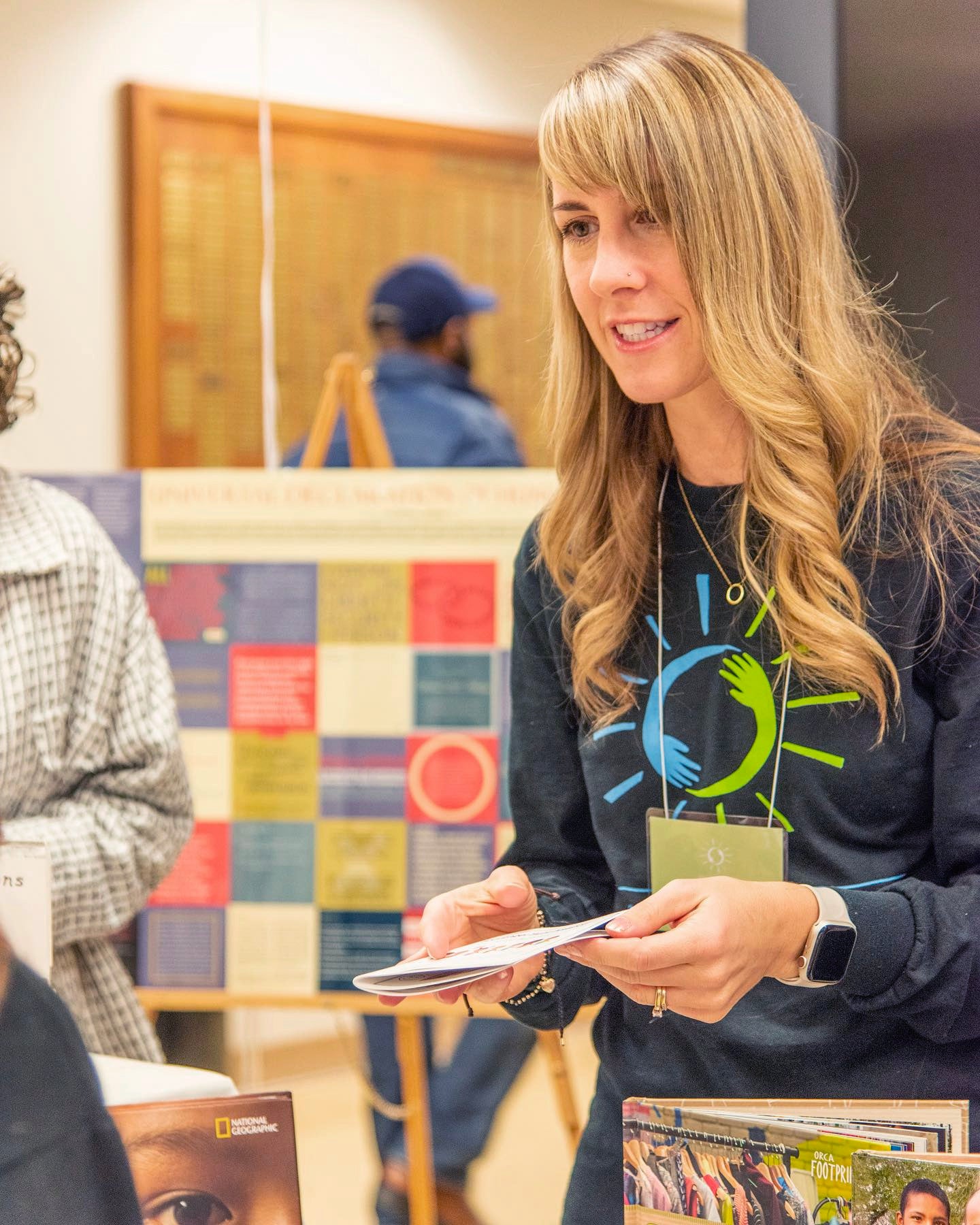
Eleanor Roosevelt visits the fair, this diplomat, activist, and United Nations’s first chairperson on the Committee for Human Rights would undoubtedly be seen hovering around the Human Rights table set up in the front lobby, for children of all ages to read the numerous books on the subject and playing the scavenger hunt designed to make every child a winner as they learn as Eleanor stated, in the Universal Declaration of Human rights, that All human beings are born free and equal in dignity and rights. During the Great Depression, when she was first lady, she would read and answer 50 of the thousands of pleading letters from American citizens asking for help each week. For those she couldn't directly help she sent the letters on to one of the many new government agencies designed to help our struggling citizens. As she enters the room of non-profits, she will listen, learn, engage, evaluate and determine who she can most effectively help. Her heart belonged to human rights but she also understood that its hard to imagine the power of human rights when you are hungry, unhoused, abused, or sick. Her friends should not expect Eleavor to leave until closing. Someone make sure she eats a little something.

Bessie Stringfield roars up to the fair on her motorcycle and will undoubtedly head off to talk to the representatives of any non-profits supporting the empowerment of women. Bessie, known as the Motorcycle Queen of Miami, is famous for being the first African American woman to ride solo on her motorcycle across the US . She was also a motorcycle dispatch for the US Army driver during WWII. Again and again she faced discrimination for being a woman of color who could expertly ride a motorcycle. If we are lucky she may even put on a display of her talents in our Fair’s parking lot. That would be another incredible addition to our fair’s offerings.

Charles Drew would probably head to Jenn Knepper, founder of the GTGHFair and discuss how he could run a blood drive next year in the parking lot. Dr. Drew, Columbia University’s first African American doctor fought to rid the Red Cross of its discriminatory policy of segregating blood donations while he also perfected blood donation storage methods. His life’s work was saving people through blood and he would undoubtedly have a group of fair goers who would be eager to support Dr. Drew and his blood drive.

Nelly Bly, with notepad and pencil in hand, would eagerly seek out those non-profits, like Touchstone Foundation and Mental Health America, who support mental health. Ms. Bly journalist is most famous for going undercover and spending ten days in NY’s Women's Lunatic Asylum on Blackwell Island. There she discovered and reported on the horrendous conditions of this harrowing asylum. Her reporting helped to bring light to the conditions and change things for the better. I'm sure she would be more than willing to recount her findings, especially for those who have suggested we relook at institutionalizing Americans with disabilities. Ms.Bly, not known for her quiet acceptance of injustice, proclaimed, “That is only after one is in trouble that one realizes how little sympathy and kindness there are in the world.” When she visits the fair, she will be excited to see all the people who do care, do not accept injustice, and use what they can to instead promote positive action.

Susanne La Flesche Picotte, the first Indigenous woman to earn a medical degree, who promoted education, sanitation, clean water, Tuberculosis prevention and treatment, and so much more, would spend hours speaking to all of the representatives of non-profits, discovering new methods of curing the problems she experienced in Nebraska working with her Omaha Tribe. She was a supporter of women and their care, and would educate them to support and care for one another. Perhaps Dr. Picotte would enjoy speaking to Lancaster County Women for Good members. They are always eager for new members to join their collective that works together to support each other and local non-profits doing the work Susanne also supported.